
Residents wanted to track a council report like a parcel. Wokingham says each system link costs £50,000 and the whole job over £500,000. Decision Thursday.
Report a pothole, a missed bin or a broken streetlight to Wokingham Borough Council and you get a reference number. You cannot use it to find out what is happening.
Councillors voted eighteen months ago to change that. On Thursday the Executive is asked to agree that a full tracking system is not affordable, and to approve a slower set of improvements instead (report to the Executive, 24 September).
The blunt line is in the council’s own paper, quoted from the motion itself:
Currently, there is no dedicated system for tracking resident-reported issues. While residents receive reference numbers when raising tickets, this can create the illusion of an existing tracking system.
What Motion 529 asked for
Council Motion 529 was passed in March 2025. It called for a system on the council website where residents could log in and follow a case “similar to a delivery tracking service”. Specifically:
- Log in and track a reported issue using its reference number.
- See real-time updates, including whether more evidence is needed.
- Get an automatic email whenever the status changes.
- View, track and interact with every ticket in one place.
- Cut the follow-up emails residents send to councillors and officers.
The council commissioned Civiteq, a local government advisory firm, to review whether it could be done. Civiteq reported in November 2025.
Why the answer is no, for now
Civiteq’s finding was short: “given the current lack of integration between many council systems, a new tracking system would be very difficult and expensive to implement” (Civiteq, November 2025).
The problem is not the website. The council already runs a customer platform called Netcall, and Civiteq accepts it could be the front end of a “MyWokingham” account. The problem is everything behind it. Each council system is written by a different supplier, there are few standards for making them talk to each other, and the council would have to pay for a link to each one.
The costs Civiteq put on that:
- About £50,000 to build one typical integration.
- About £10,000 a year in support for each one after that.
- More than £500,000 for a programme broad enough to cover the services residents actually report things about.
Against that, Civiteq judged the savings modest: “even if one or two posts could be saved, the return on investment would be poor.” It also warned that the “stated ambition for ‘Amazon-like’ services” may be impractical for the range of things a council does.
What is actually going wrong, in the council’s own words
The review is more revealing about today’s service than about the system that was rejected:
- Digital journeys “can still at times be clunky, disjointed and lack feedback”, which generates more contact rather than less.
- There is one published front door, but “multiple hand offs to individual teams behind the scenes”.
- Where systems are not linked, data “may be passed through email and re-keyed manually, leading to delays, errors and a lack of ongoing feedback to the customer”. Civiteq names the planning process as an example, with a new system being procured in 2026/27, and the gap between social care and education systems as another.
- When the digital route fails, “residents seek assistance from councillors”.
On satisfaction the council comes out well. Its GovMetric scores are 60% for the website and 75% for the phone, against an LGA national average of 56% and a range of 60% to 68% at neighbouring unitary councils.
What residents get instead
The report sets out changes over two years:
- A Front Door programme reviewing the main customer journeys, aiming at fewer hand-offs and more consistent answers.
- Agentic AI on the website, meaning improved search and a chatbot, to help people find the right form.
- Customer accounts for some processes, so requests can be tracked for those services only.
- Digital waste and recycling processes streamlined, following the new collection contract. Our bin collection days guide covers what changed in June.
- Contact centre telephony joined to the CRM, so residents do not repeat the same details to different departments.
Service dashboards are recommended for officers first, and for residents only “where appropriate”.
The money attached is capital, and conditional: up to £100,000 this financial year, then up to £150,000 in each of the next two, all “pending appropriate business cases”, with years two and three also dependent on a new bid to the medium-term financial plan. Anything beyond that needs its own business case.
Eighteen months from vote to decision
The report states that the scrutiny committee looked at it on 2 February and asked officers to explain more clearly why a single tracking system was not being recommended, while still showing how the council would meet the motion’s intent. The version going to the Executive is the reworked one.
What it means for you
- Nothing changes this month. If you report a problem, you will still get a reference number and no way to check it online. Chasing by phone or email remains the only route.
- Some services will get tracking before others. Waste and recycling is named first, because the new collection contract is already being digitised. Planning gets a new system in 2026/27.
- The council expects you to notice the website first. Search and a chatbot are the earliest changes, and the cheapest.
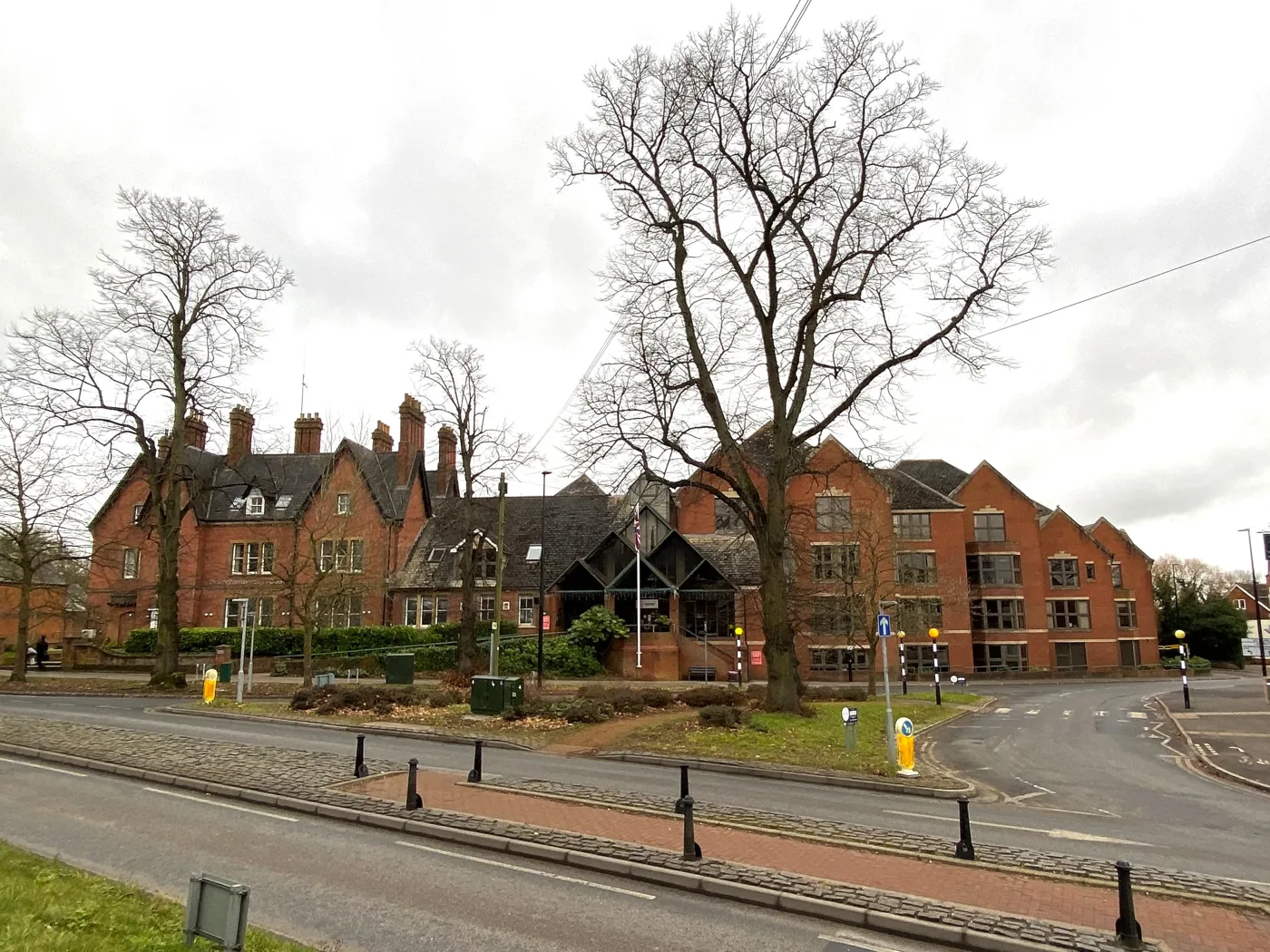
- You can say something before Thursday. The Executive meets at 7pm on 24 September at the Civic Offices, Shute End. Public questions must be submitted in advance to democratic.services@wokingham.gov.uk, and 30 minutes is set aside for them.
- You may be asked directly. The council says it will test website and search changes with its Community Panel, which has about 500 residents on it.
Also on Thursday’s agenda: the Sonning Neighbourhood Plan, a Safer Communities Partnership strategy for 2026 to 2031, and the council housing acquisition programme. The full papers are on the Executive agenda. For what the council charges and what it says it spends the money on, see our Wokingham council tax bands page.
Sources
- Resident Enquiry System, report to the Executive, 24 September 2026 (agenda item 53; recommendation, the motion text, the £50k and £500k figures, the capital budget table, scrutiny feedback)
- Civiteq: Independent response to Council Motion 529, November 2025 (findings, integration costs, GovMetric satisfaction figures, the planning and social care examples)
- Executive agenda, Thursday 24 September 2026 (meeting time, venue and public question arrangements)
Have your say